Chasing the Perfect Pistachio Gelato
I'm sure at this point it comes as no surprise how much I love pistachios. So when I started developing my pistachio gelato recipe, I wanted to make sure it was absolutely perfect. Whenever I travel to Italy and go to a gelateria, I'm mostly ordering pistachio. But I've had mixed pistachio gelatos. Some have had no pistachio flavor at all, while some tasted a bit too savory, and then there are the pistachio gelatos that are bright neon green, which, fair warning, aren't worth a single euro. And of course, I've had really amazing pistachio gelato too. But I wanted to make sure this recipe was the one I'd actually crave. So after a few months of testing, I finally developed my favorite version.
The first recipe I tested, back in May, used pistachio paste imported from Italy. The only ingredient was pistachio. It was ultra smooth, but it didn't have any real texture to it. The gelato was great, but it just wasn't what I wanted, and it was also a little too firm when I took it out of the freezer. It needed to temper for a while, and I felt like the texture could have been better overall.
So I decided to take this book in a different direction, actually toasting and grinding my own nuts to make my own natural pastes for the gelato, giving it a lot of amazing texture in the process. One thing worth keeping in mind, when you buy store-bought pastes, the nuts usually aren't roasted, and that means missing out on a lot of flavor.
My recipe is called Bronte Pistachio Gelato, and it calls for pistachios from Bronte. But you don't actually need Bronte pistachios to make an amazing gelato. Just make sure your pistachios are unroasted and unsalted, since you want to control the roast yourself, pistachios don't need nearly as dark a roast as hazelnuts do.
On my first batch, I felt like the flavor could have been more pistachio-forward, and it was just a touch icy. For the second batch, I bumped up the weight of the pistachios considerably, and that did it. The best way to describe the texture is ultra dense but somehow still light. The way real gelato should be. There's real texture from the fresh pistachio paste, and it's so, so good.
So I wanted to show you a little behind-the-scenes look at the process, and how the texture transforms throughout. Now, don't mind the very unaesthetic photos, you can see exactly why I need a photographer so desperately for the cookbook (haha).
.....................................................................................................................................................................................
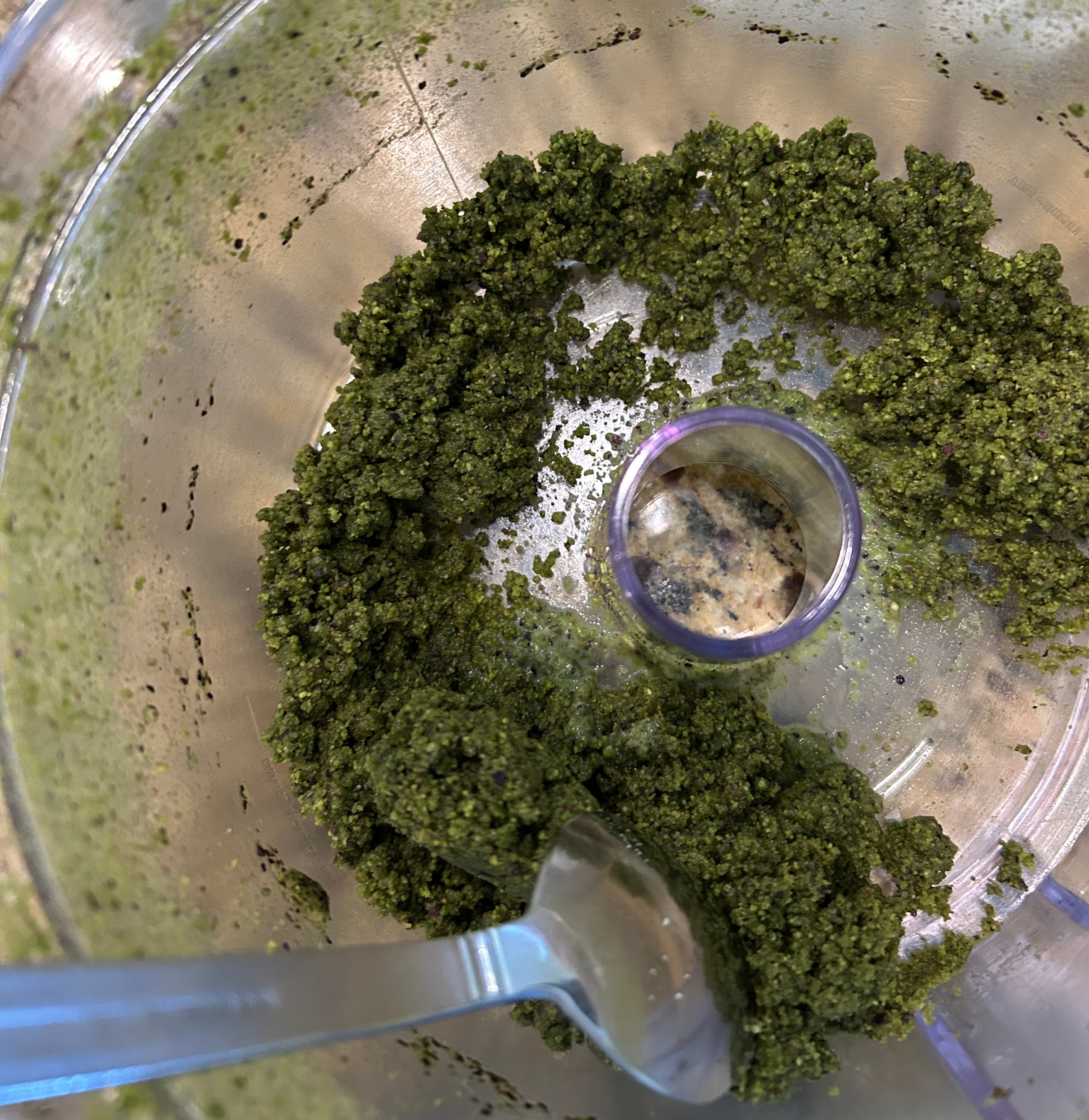


This is exactly the kind of work that goes into every single recipe in this book, tested, adjusted, and tested again until it's genuinely right. More coming soon…


Comments